



As a business owner, you often feel that your hands are tied when it comes to the high cost of electricity. While you can’t change the price of electricity or how much it increases, what you can control is how to increase energy efficiency in your workplace.
Adopting good energy consumption practices can help to achieve this goal. But to make your business a truly energy efficient one, it’s time to focus on investing in solutions that will make an even bigger impact on how much energy you use and pay for.

To that end, smart devices and solar solutions can be a huge helping hand when it comes to keeping energy consumption in check. Read on to discover how a combination of these technologies not only offers a greener, more sustainable way of working — but also maximises ease, comfort, and cost savings.
Solar solutions
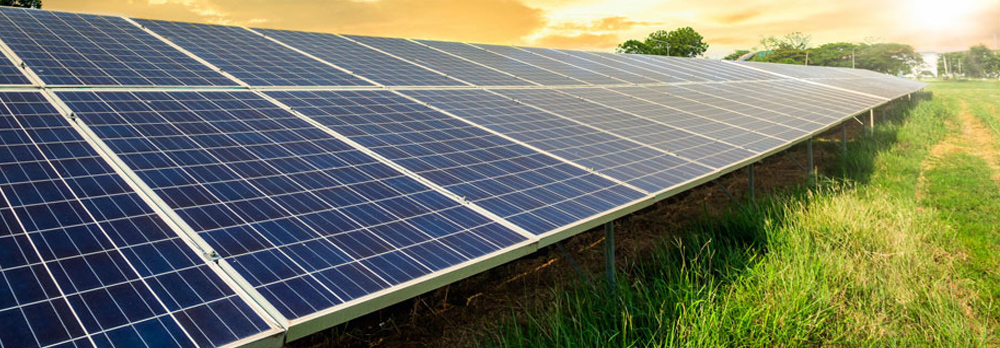
Making the move to solar brings a multitude of benefits for your businesses, not the least of which is the ability to save on costs. Since you will be meeting some of your energy needs with free electricity generated from the sun, you’ll likely pay less to power up your business. The only cost you’ll have to deal with is the initial solar panels installation fee, which can be offset by your energy savings over the years.
After making the decision to switch to solar power, the next step is to decide on the type of solar energy system suitable for your business needs. There are two solutions available for you to choose from: grid-tied and off-grid. While these models both deliver cost savings and energy efficiency, they differ in the way they work.

- Grid tied solar system: the PV system provides power during the day, and when it’s not generating enough electricity — such as during night time or cloudy weather conditions — power is drawn from the grid. You can also feed excess energy into the grid.
- Off-grid solar system: this is a suitable option if you wish to become entirely independent of the grid. The PV system generates energy and stores excess power in a battery bank for use at night or when there’s insufficient sunlight.
With both options you have the ability to add a solar monitoring tool to measure how well the system is working for your business. Solar inverters are equipped with sensors that track solar power production and consumption. The data is then sent over the internet to your mobile phone or an online dashboard for you to view. Some of the information you’ll be provided with include:
- energy usage over time
- solar electricity generation
- grid exports
- grid imports, and
- battery charge and discharge power
The insights you’ll gather from the solar monitoring system can be incredibly beneficial and help you make improvements to your business. You can learn about potential problem areas in energy production and consumption that are holding you back from achieving greater energy efficiency.
For example, the monitoring system can tell you if you’re exceeding your “always-on” power threshold, that is, the minimum energy your business pulls from the mains during the night when the grid-tied PV isn’t generating power. It can help you identify the appliances responsible for using too much grid energy when you’re not using them. It can also notify you if the weather is favourable enough for solar energy production or if your battery has sufficient charge to power high-load appliances without having to use (and pay for) extra energy from the grid.
Smart devices

The Internet of Things has created a technology revolution for businesses, offering access to a range of capabilities that weren’t available before. Using an Internet connection and a phone, tablet, or smart speaker, you can programme ordinary devices to automatically adjust to changing energy needs. Some examples of energy efficient smart devices are:
- Smart thermostats: by incorporating learning algorithms, smart thermostats keep tabs on your heating and cooling preferences. You initially set your ideal temperatures and daily schedule on a smartphone app or web interface. Then, over time, the thermostat will observe your behaviours and learn as you come and go. Based on this information, the smart thermostats automatically adjust the temperature inside the office. What’s more, the thermostats can be controlled remotely making it easy to check that air conditioning or heaters aren’t running when nobody is in the office.
- Smart lights: Smart lights are a quick and easy way to upgrade your business’ lighting system and make it more energy efficient. And it’s not hard to install on your own. All it takes is screwing in a couple of bulbs and connecting them to an app or hub. Once installed, smart lights can be customised, scheduled and controlled. They can be programmed to only switch on during set work hours, or turn on and off when people enter and exit a room. Many smart lighting systems monitor usage, reporting on lighting requirements on a moment-to-moment basis. They are also made with LED technology, which uses 75% less energy than traditional incandescent light bulbs. When you upgrade existing lighting with smart LED lights, you stand to reduce energy consumption and decrease maintenance expenses, while increasing the lighting performance. All of this combines to significant savings on your business’ electricity bill.
- Smart plugs: these wall outlets are designed to prevent appliances in standby mode from consuming a significant amount of energy. Once plugged in, devices like TV screens, electronic signage, coffee machines, and water heaters will be automated and controlled from a smartphone. These appliances can be scheduled to turn on and off according to your needs. Smart plugs also give you peace of mind by remotely checking and turning off any devices that may have been left on. As with other smart systems, they make it possible to be more energy-conscious by collecting information about how much electricity the appliances connected are using.
Final word
If high energy costs and poor energy management are two of the biggest issues your business is facing, it’s worth doing all you can to be more energy efficient. The integration of solar solutions and smart devices can serve you well over the years; not only will your investment in these technology solutions provide peace of mind against rising energy costs but they will also ensure greater operational continuity and improve your business with a greener image.